The global Muslim travel market continues to emerge as one of the fastest-growing segments within the tourism industry. As Muslim travellers seek destinations that offer both memorable experiences and confidence in halal compliance, governments, tourism authorities and industry players are recognising the importance of developing a comprehensive Halal Tourism ecosystem.
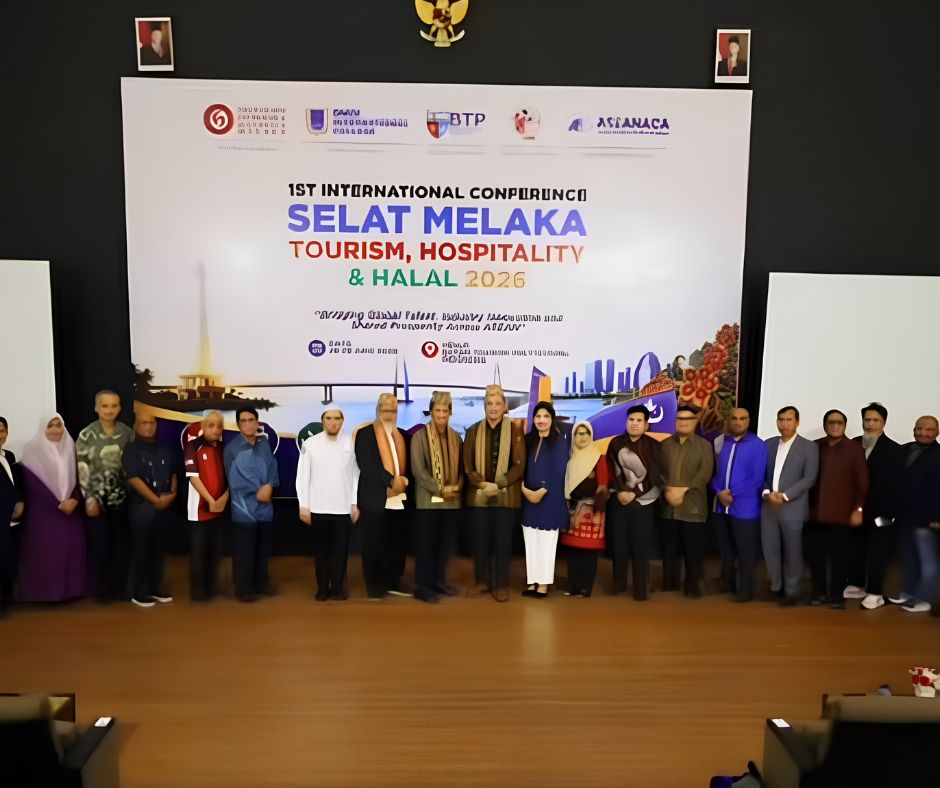
Al Barakah Training Solution was honoured to participate in the 1st International Selat Melaka Tourism, Hospitality & Halal Conference 2026, held at the Batam Tourism Polytechnic, Indonesia. The international conference was jointly organised by Kolej Antarabangsa DMDI and Batam Tourism Polytechnic, bringing together academics, tourism professionals, policymakers and industry leaders from across the ASEAN region to discuss the future of tourism, hospitality and the halal economy.
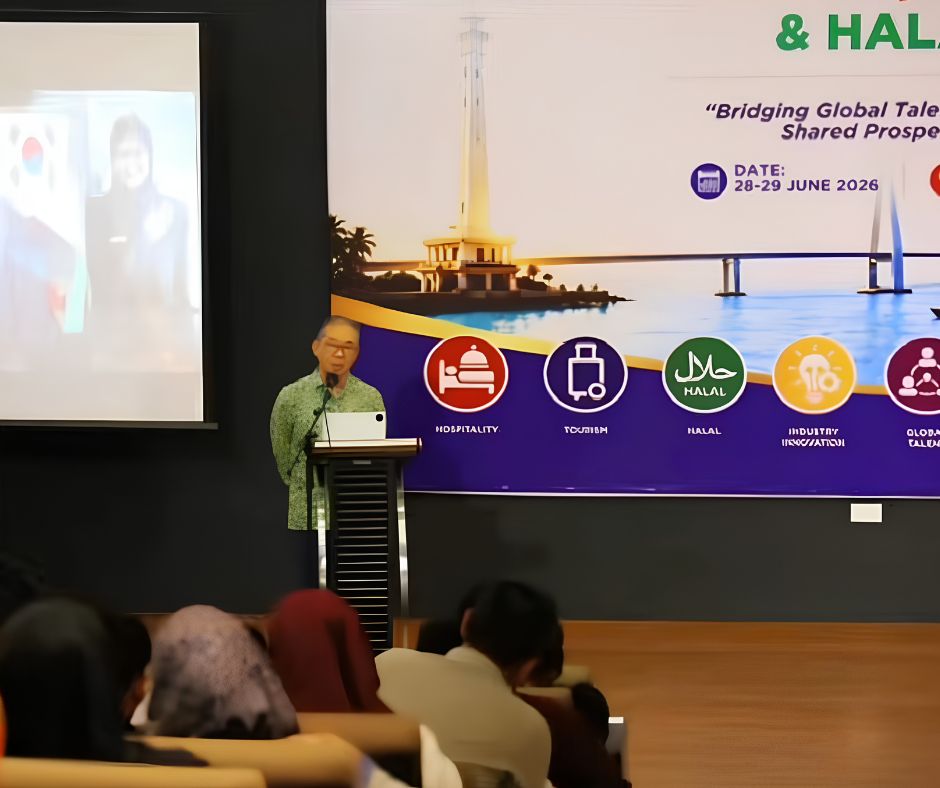
Al Barakah Training Solution Shares Insights at the 1st International Selat Melaka Tourism, Hospitality & Halal Conference 2026
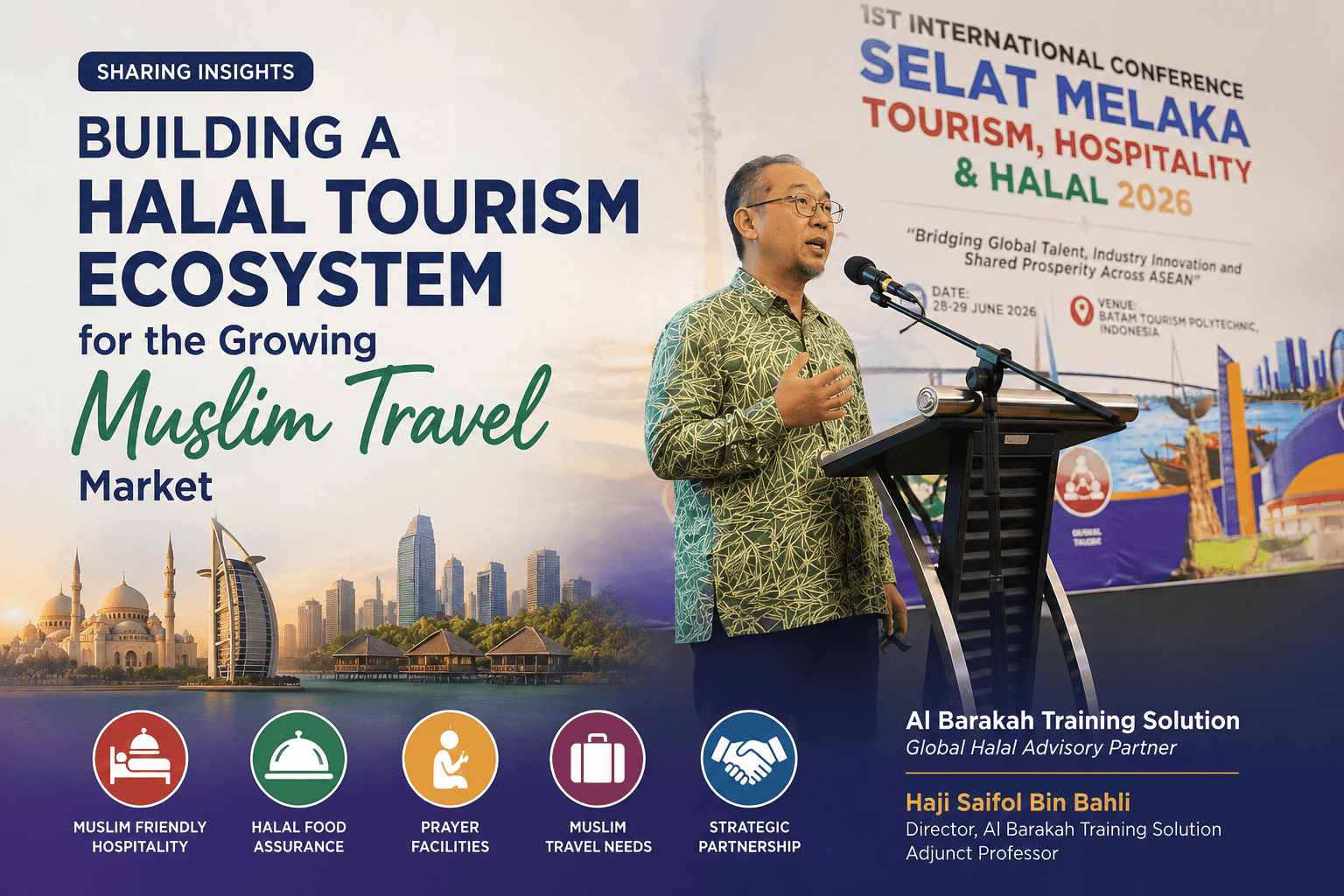
Representing Al Barakah Training Solution, Haji Saifol Bin Bahli, Director of Al Barakah Training Solution and Adjunct Professor for University Geomatika Malaysia, was invited as a distinguished speaker to share his perspectives on developing a sustainable Halal Tourism Ecosystem that supports economic growth while meeting the evolving expectations of Muslim travellers worldwide.
Muslim Travel Is More Than Halal Food
One of the key messages highlighted during the conference was that Halal Travel extends far beyond providing halal-certified food.
Today’s Muslim travellers increasingly value destinations that understand their religious and lifestyle requirements throughout the entire travel journey. This includes access to prayer facilities, Muslim-friendly accommodation, transparent halal dining options, family-oriented recreational activities and tourism services that respect Islamic values.
A successful Muslim Friendly Hospitality strategy therefore requires collaboration across multiple sectors rather than relying solely on food certification. For a deeper understanding of how Muslim-friendly hospitality is defined and implemented, you may refer to our earlier article: An introduction to muslim friendly hospitality
Hotels, airlines, travel agencies, restaurants, attractions, transportation providers, local authorities and certification bodies all play an important role in creating a seamless travel experience for Muslim visitors.
Developing a Complete Halal Tourism Ecosystem
During the presentation, Haji Saifol emphasised that sustainable Halal Tourism should be viewed as an integrated ecosystem rather than a single certification programme.
A thriving ecosystem requires several key components, including:
- Strong halal assurance throughout the tourism supply chain.
- Competent and well-trained hospitality professionals.
- Muslim-friendly facilities and infrastructure.
- Internationally recognised halal standards and governance.
- Continuous education and industry awareness.
- Strategic collaboration between government, academia and the private sector.
One critical and often overlooked requirement in developing Muslim-friendly or Halal tourism is the availability of adequate halal-certified eating places. Food is a fundamental aspect of travel, and Muslim travellers must have confidence that the food they consume complies with halal requirements.
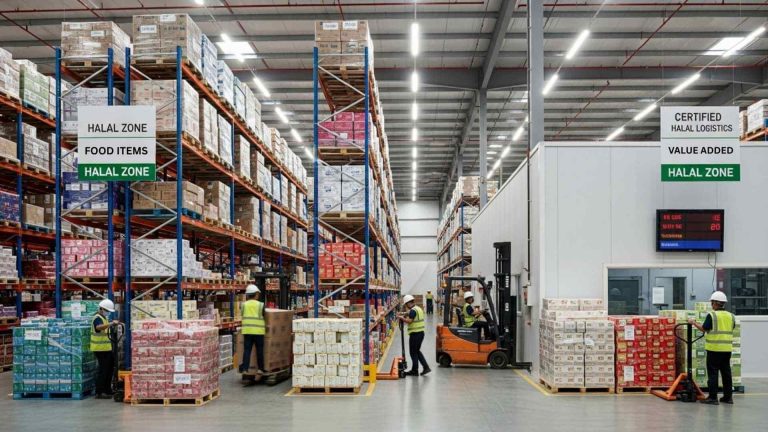
Halal-certified food premises must strictly adhere to recognised halal certification standards, including proper sourcing of ingredients, segregation of halal and non-halal items, hygienic food handling practices and compliance with regulatory guidelines. Businesses seeking to understand these requirements in detail can refer to our comprehensive guide: The ultimate guide to halal certification in Malaysia
By ensuring that restaurants, cafes and food outlets are properly certified and compliant, destinations can significantly enhance trust and satisfaction among Muslim travellers.
By aligning these elements, destinations can enhance visitor confidence while strengthening their competitiveness in the rapidly expanding global Muslim travel market.
ASEAN’s Opportunity in the Global Halal Economy
ASEAN is uniquely positioned to become a leading destination for Muslim Travel due to its rich cultural diversity, established halal industries and growing tourism infrastructure.
Countries such as Malaysia and Indonesia have demonstrated strong leadership in halal development, while neighboring countries continue to invest in Muslim-friendly tourism initiatives to attract visitors from the Middle East, South Asia and other international markets.
As global travel continues to recover, destinations that prioritize Muslim Friendly Hospitality will be better positioned to capture long-term tourism growth while creating positive economic opportunities for local communities.
Our Commitment to Global Halal Development
At Al Barakah Training Solution, we believe that halal is more than regulatory compliance—it is a strategic driver of trust, quality and sustainable business growth.
Our participation in international conferences reflects our ongoing commitment to contributing knowledge, sharing industry best practices and supporting organizations that aspire to strengthen their halal capabilities on a global scale.
Through consultancy, professional training and strategic advisory services, Al Barakah continues to work with businesses, institutions and government agencies in developing practical solutions that support halal assurance, food safety excellence and international market readiness.
As the global demand for Halal Travel, Muslim Travel and Muslim Friendly Hospitality continues to grow, collaboration between industry experts, educators and policymakers will remain essential in building destinations that are not only welcoming but also trusted by Muslim travellers around the world.
We extend our sincere appreciation to Kolej Antarabangsa DMDI and Batam Tourism Polytechnic for the invitation and for successfully organising this meaningful international conference. We look forward to continued collaboration in advancing the global halal ecosystem and supporting the sustainable growth of halal tourism across the ASEAN region and beyond.