
Getting MeSTI certification in Malaysia is often treated as a documentation exercise.
Prepare the manual. Submit the application. Wait for the audit. Correct any findings. Get certified.
But for a serious food business, this approach misses an important point.
MeSTI certification is not simply about getting a certificate. It is about developing and implementing a food safety system that works in your actual business.
The better question is therefore not simply:
“How do I apply for MeSTI certification?”
Instead, food entrepreneurs should ask:
“How do I strategically prepare my business so that my premises, documentation, employees, food safety system and MeSTI application are all ready before the audit?”
This is where professional MeSTI consultancy, certification coaching and Gap Analysis can make a significant difference.
At Al Barakah Training Solution, our approach to MeSTI certification is based on a structured methodology:
Gap Analysis → Training → Development & Implementation → System Verification & Submission → Certification
This approach is designed to help food businesses identify their gaps, build the required Program Jaminan Keselamatan Makanan (PJKM), develop appropriate documentation, implement the system and prepare for the MeSTI certification process.
For a broader explanation of MeSTI certification, requirements, eligibility and the general certification process, you can also read our Complete Guide to MeSTI Certification in Malaysia.
This article focuses on something different:
How to strategically prepare for MeSTI certification from a consultant’s perspective.
What Is MeSTI Certification?
MeSTI, or Makanan Selamat Tanggungjawab Industri, is a food safety certification scheme implemented by the Kementerian Kesihatan Malaysia (KKM).
According to KKM, the MeSTI scheme was introduced as a renamed scheme replacing the previous Skim Keselamatan Makanan 1Malaysia (SK1M). Through MeSTI certification, food manufacturing premises are guided to develop and implement a Program Jaminan Keselamatan Makanan (PJKM) before recognition is granted.
In practical terms, MeSTI helps a food business establish a structured system for managing food safety throughout its operation.
This includes areas such as:
- Premises and facilities
- Food handlers
- Training
- Cleaning and sanitation
- Raw material control
- Production process control
- Packaging
- Storage
- Transportation and distribution
- Traceability
- Documentation and records
KKM currently provides the MeSTI Certification Guidelines, Manual Pensijilan MeSTI melalui Sistem FoSIM and Senarai Semak Elemen MeSTI through its official food safety portal.
Therefore, MeSTI should not be viewed merely as an application form.
It is a system that needs to be developed, implemented and maintained.
Why Should You Take a Strategic Approach to MeSTI Certification?
Many food entrepreneurs make the same mistake.
They start by looking for a MeSTI manual template.
They download a document.
They replace the company name.
They add their logo.
Then they believe they are ready to apply.
This is where problems can begin.
A MeSTI manual should reflect the actual operation of the business.
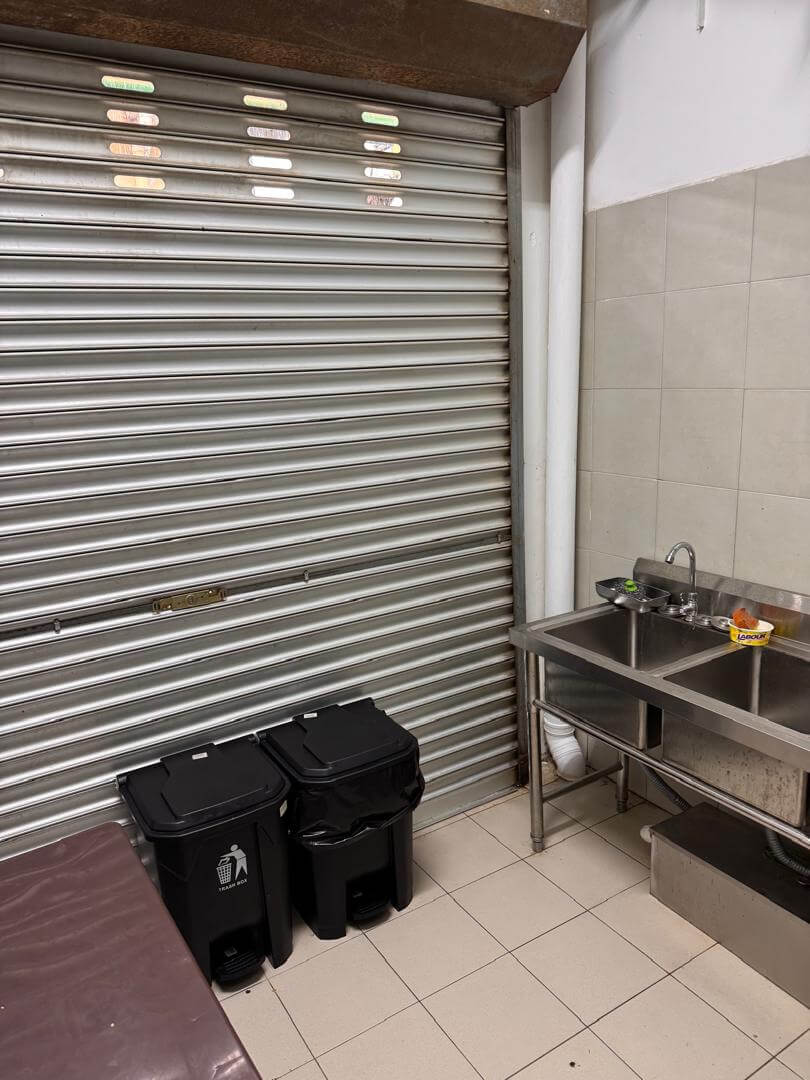
For example, the manual should be consistent with:
- The actual production flow
- The products being manufactured
- The raw materials being used
- The equipment available
- The production premises
- The employees
- The cleaning procedures
- The storage arrangements
- The transportation arrangements
- The traceability system
- The records maintained by the company
If the documentation describes one operation while the actual business operates differently, the company may face difficulties during verification and audit.
This is why our philosophy at Al Barakah Training Solution is simple:
Do not start your MeSTI application with a template. Start with a Gap Analysis.
The Al Barakah Strategic Approach to MeSTI Certification
Our MeSTI certification methodology is structured around five major phases:
Phase 1 — Gap Analysis
Identify what is missing, inadequate or inconsistent.
Phase 2 — Training & Coaching
Build understanding and competency within the business.
Phase 3 — Development & Implementation
Develop the MeSTI/PJKM system and implement it in the actual operation.
Phase 4 — System Verification & Submission
Verify the system, conduct internal checks and prepare the application.
Phase 5 — Certification
Prepare for assessment, corrective action and certification.
This five-phase framework is incorporated into Al Barakah’s proposed MeSTI certification coaching programme.
Let’s look at each phase in detail.
Phase 1: Start With a MeSTI Gap Analysis
What Is a MeSTI Gap Analysis?
A MeSTI Gap Analysis is a structured assessment of the current condition of your business against the relevant MeSTI and food safety requirements.
Instead of immediately preparing documents, we first ask:
Where is the business now?
We then identify:
- What is already compliant?
- What is partially implemented?
- What is missing?
- What needs corrective action?
- What documentation needs to be developed?
- What operational improvements are required?
Our proposed MeSTI methodology begins with performing the Gap Analysis, evaluating the findings and implementing corrective action before progressing to the next stage.
Why Is Gap Analysis Important?
Imagine a company begins preparing its MeSTI manual and only later discovers that its production flow creates a potential food safety issue.
The business may then need to:
- Modify its production flow.
- Change its documentation.
- Update its SOPs.
- Train employees.
- Implement new records.
- Monitor the system.
- Conduct verification again.
This creates unnecessary delays.
A MeSTI Gap Analysis allows these issues to be identified earlier.
The objective is not merely to find problems.
The objective is to establish a clear corrective action roadmap.
Phase 2: Train Your Team Before Implementing the System
MeSTI is not a system that should be understood only by the business owner or consultant.
The people who operate the business must understand their responsibilities.
This is why training is an important part of our approach.
Employees should understand:
- What MeSTI is
- What PJKM means
- Why food safety controls are required
- What their responsibilities are
- How SOPs should be followed
- What records need to be maintained
- How to handle non-conformities
- How to maintain hygiene
- How to support traceability
Our MeSTI programme specifically includes MeSTI Certification Coaching and documentation preparation as part of the second phase.
For micro and small food businesses, this is particularly important.
In many SMEs, the owner may simultaneously be:
- Business owner
- Production manager
- Purchasing officer
- Quality person
- Warehouse manager
Therefore, the MeSTI system must be practical and easy to implement.
Phase 3: Develop a MeSTI Manual Based on Your Actual Business
One of the most important components of MeSTI certification requirements is the development of appropriate documentation and the implementation of the PJKM.
But there is an important principle:
Your MeSTI manual should describe your business — not somebody else’s business.
A frozen food manufacturer is not the same as a bakery.
A sauce manufacturer is not the same as a snack manufacturer.
A food processing company is not the same as a home-based food operation.
The MeSTI documentation should therefore be developed around the company’s actual:
- Products
- Ingredients
- Suppliers
- Production process
- Equipment
- Premises
- Employees
- Storage
- Transportation
- Packaging
- Traceability arrangements
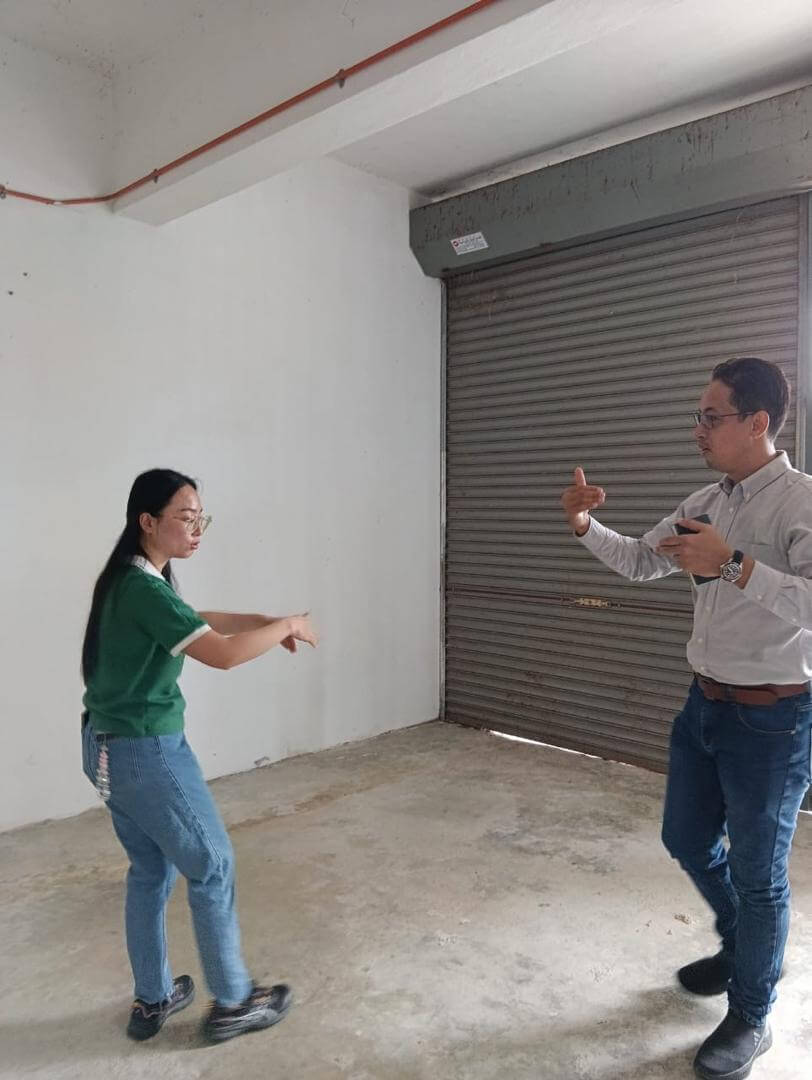
Al Barakah’s MeSTI training methodology includes a practical, hands-on session where participants begin developing their own company MeSTI manual with direct guidance.
This distinction is extremely important.
There is a difference between:
Buying a MeSTI manual template
and
Developing a MeSTI system for your business.
Understanding the Key PJKM Elements for MeSTI
A strong MeSTI system should address the relevant food safety controls throughout the business.
Our MeSTI programme covers the following critical areas.
1. Premises, Design and Facilities
The design and condition of the premises should support hygienic food production and minimise contamination risks.
This includes considering:
- Production areas
- Layout
- Workflow
- Equipment
- Hygiene facilities
- Cleaning facilities
- Potential contamination risks
2. Food Handlers
Food handlers play a critical role in food safety.
The business should establish appropriate controls relating to:
- Personal hygiene
- Health and hygiene practices
- Protective clothing
- Food handling practices
- Training
3. Training
Employees need appropriate food safety knowledge and competency.
Training should not be treated as a one-time exercise.
The business should establish appropriate training and record-keeping arrangements.
4. Maintenance and Sanitation
Cleaning and sanitation should be controlled systematically.
This may include:
- Cleaning schedules
- Cleaning procedures
- Cleaning records
- Verification
- Equipment maintenance
- Corrective action
5. Raw Material Control
Raw materials are one of the most important control points in food manufacturing.
Businesses should establish appropriate procedures for:
- Receiving
- Inspection
- Supplier control
- Storage
- Identification
- Rejection of unsuitable materials
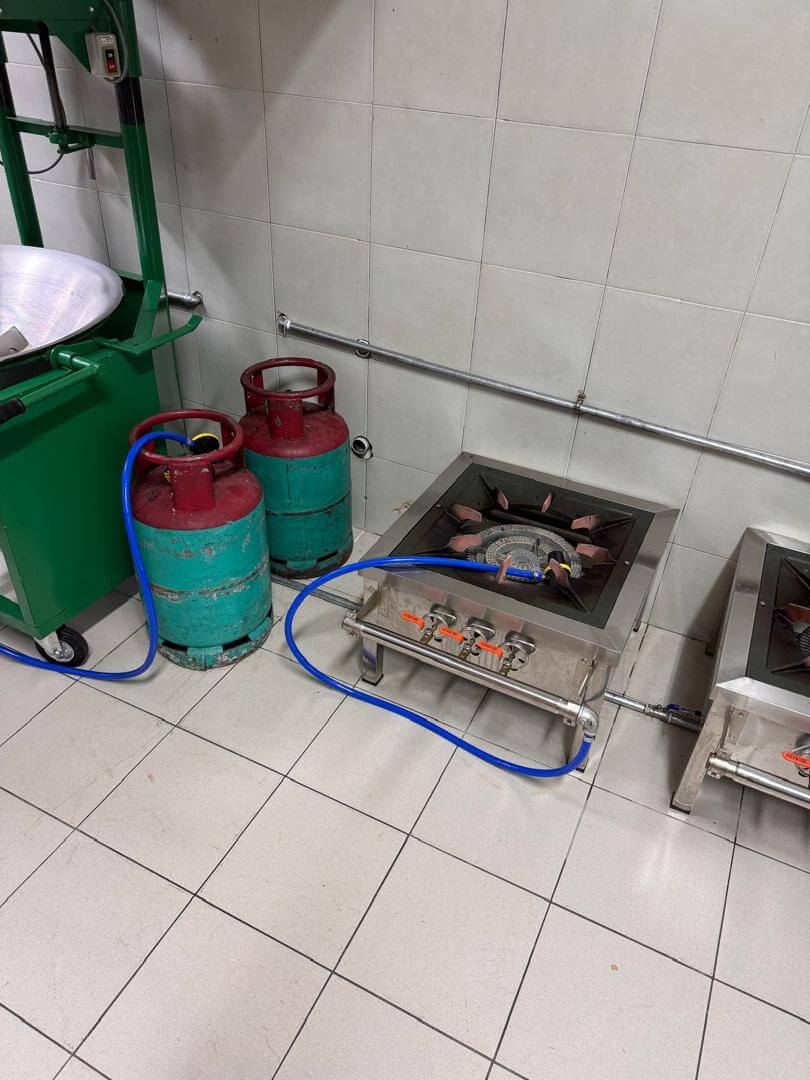
6. Process Control
The production process needs to be controlled consistently.
Procedures should reflect the actual manufacturing process and relevant food safety risks.
7. Packaging Control
Packaging materials and packaging operations should be appropriately controlled to prevent contamination and maintain product integrity.
8. Storage Control
Raw materials and finished products need appropriate storage arrangements.
The business should establish controls appropriate to its products and processes.
9. Transportation and Distribution
Food safety should not stop when the product leaves the production area.
Transportation and distribution should also be considered within the food safety system.
10. Traceability
A food business should be able to establish the relevant traceability of its products and materials.
Traceability is particularly important when a business needs to investigate a complaint, identify affected batches or conduct a product withdrawal or recall.
The above areas are incorporated into the Al Barakah MeSTI training framework as part of the development of the critical PJKM elements.
Phase 4: Implement the MeSTI System Before Applying
This is one of the most important parts of the entire process.
A company can have a beautiful manual.
But if employees are not implementing it, the system is not effective.
For example:
Your SOP says:
“Production area shall be cleaned daily.”
But can the business demonstrate:
- The cleaning schedule?
- The cleaning procedure?
- The cleaning checklist?
- The person responsible?
- The completed records?
- Verification?
- Corrective action when cleaning is not satisfactory?
The same principle applies to:
- Raw material receiving
- Supplier control
- Production
- Storage
- Pest control
- Equipment maintenance
- Employee training
- Product traceability
- Non-conforming products
Therefore:
Documentation is evidence of the system. Implementation is evidence that the system works.
The Al Barakah methodology therefore places development and implementation before system verification and submission.
Phase 5: Verify Your System Before Submitting the MeSTI Application
A strategic MeSTI application should not be submitted simply because the documents are complete.
The business should first ask:
Are we actually ready?
Documentation Readiness
Check whether:
- The MeSTI manual is complete.
- Procedures are relevant.
- SOPs reflect the actual business.
- Forms are available.
- Records are being maintained.
Premises Readiness
Check whether:
- Identified physical gaps have been corrected.
- The production flow is appropriate.
- Hygiene facilities are adequate.
- Cleaning and sanitation controls are implemented.
Employee Readiness
Check whether:
- Employees understand their responsibilities.
- Employees understand the relevant SOPs.
- Required training has been conducted.
- Training records are maintained.
Implementation Readiness
Check whether:
- Records are actually completed.
- SOPs are being followed.
- Corrective actions are documented.
- Traceability can be demonstrated.
Internal Verification
Before submission, the business should verify whether its system is functioning as intended.
Our proposed methodology includes system verification, internal audit and submission of the MeSTI application via FoSIM before progressing into the certification stage.
MeSTI Application Through FoSIM
The Food Safety Information System of Malaysia (FoSIM) is the centralised system used by the Malaysian food industry for various food safety regulatory activities.
KKM’s official MeSTI page directs applicants to make their MeSTI application online through FoSIM. KKM also provides an official Manual Pensijilan MeSTI melalui Sistem FoSIM (Pemohon).
FoSIM functions as a centralised gateway for the food industry and supports activities relating to the implementation, evaluation and monitoring of food safety requirements.
The important point is that FoSIM application should be the result of preparation — not the beginning of preparation.
Your information in FoSIM should be consistent with your:
Company → Premises → Products → Processes → PJKM → MeSTI Manual → Actual Implementation
This is why professional MeSTI certification coaching can be valuable.
What Happens After the MeSTI Application?
Submitting the application is not necessarily the final step.
The business must still be prepared for the relevant verification or audit process and, where applicable, corrective action.
This is why our methodology includes:
System Implementation
↓
Internal Verification
↓
FoSIM Submission
↓
Assessment / Audit
↓
Corrective Action
↓
Certification
The Al Barakah MeSTI roadmap specifically incorporates system verification, internal audit, FoSIM submission and preparation for non-conformities and corrective actions.
The right question is therefore not:
“How do I pass the MeSTI audit?”
A better question is:
“How do I make my business genuinely ready for the MeSTI audit?”
How Long Does MeSTI Certification Take?
The actual MeSTI certification journey can vary depending on the condition and readiness of the business.
Factors that can affect the preparation period include:
- Condition of the premises
- Complexity of production
- Number of products
- Existing documentation
- Employee competency
- Existing food safety practices
- Corrective actions required
- Speed of implementation
- Audit scheduling
The Al Barakah certification coaching framework uses a structured roadmap extending across several phases, with Gap Analysis in the first phase followed by training, development and implementation, system verification and certification activities.
Importantly, KKM states that MeSTI certification is issued within 13 working days, excluding the mentoring and compliance audit period.
Therefore, businesses should distinguish between:
KKM processing period
and
the total time required to make the business ready for certification.
The latter can be considerably longer depending on the starting condition of the business.
How Much Does MeSTI Certification Cost?
Another common search query is:
“How much does MeSTI certification cost in Malaysia?”
The cost should be considered from two different perspectives.
MeSTI Certification Fee
The certification scheme itself is administered by KKM.
However, businesses should not confuse the certification fee with the cost of becoming certification-ready.
Cost of MeSTI Preparation
Depending on the condition of the business, preparation may involve expenditure on:
- MeSTI consultancy
- Training
- Documentation
- Premises improvement
- Equipment
- Cleaning and sanitation
- Pest control
- Calibration
- Laboratory analysis where applicable
- Packaging
- Storage
- Food safety monitoring systems
Therefore, the better question is not simply:
“How much is MeSTI certification?”
It is:
“How much investment does my business need to become MeSTI-ready?”
This is exactly why a MeSTI Gap Analysis should be conducted before committing to a certification roadmap.
Are There Government Grants for MeSTI Certification?
Government assistance is an important consideration for SMEs and food entrepreneurs preparing for certification.
There are government and agency programmes that support entrepreneurs in areas such as:
- Business development
- Standardisation
- Certification
- Premises upgrading
- Capability development
- Food industry development
- Market access
However, entrepreneurs should be careful when searching for a specific “MeSTI grant Malaysia”.
Not every government funding programme automatically covers MeSTI certification, and programme eligibility can change according to the current funding cycle.
KUSKOP Support for Entrepreneurs
The Kementerian Pembangunan Usahawan dan Koperasi (KUSKOP) and its agencies operate various programmes to support PMKS and entrepreneur development.
KUSKOP’s current programmes include financing and business development initiatives for PMKS, so food entrepreneurs should monitor the relevant programmes and their current eligibility requirements.
There have also been government-supported entrepreneur programmes involving food certification and MeSTI awareness. For example, a 2024 entrepreneur development workshop conducted with KUSKOP included a MeSTI briefing by the State Health Department alongside Halal guidance.
KKDW and Certification Support
The Kementerian Kemajuan Desa dan Wilayah (KKDW) also has programmes supporting rural and Bumiputera entrepreneurs.
A parliamentary response in 2026 specifically identified programmes such as Program Geran BEST (Business Enrichment Standardization and Transformation) and Pembiayaan Pensijilan Perniagaan (CERT) as initiatives supporting standardisation, competitiveness and certification-related activities. The response identifies support for certifications such as Halal, GMP and HACCP, including support for premises modification.
However, entrepreneurs should not assume that every KKDW or KUSKOP programme automatically funds MeSTI.
The correct approach is to:
- Identify the current programme.
- Check the eligibility criteria.
- Check whether MeSTI-related expenses are eligible.
- Check whether consultancy, training or premises improvement is covered.
- Confirm the application period.
- Obtain written confirmation from the implementing agency where necessary.
At Al Barakah Training Solution, we recommend that entrepreneurs look at certification funding as part of the overall MeSTI project strategy, rather than waiting until after the certification process has started.
MeSTI and Halal Certification: What Is the Difference?
Many Malaysian food entrepreneurs ask:
“Should I get MeSTI or Halal certification first?”
The answer depends on your business strategy.
MeSTI and Halal certification address different requirements.
MeSTI
Focuses on food safety and food safety management practices.
Halal Certification
Focuses on compliance with Halal requirements.
For businesses targeting formal markets, it can be useful to develop these systems strategically rather than treating them as completely separate projects.
A possible certification roadmap may look like:
Food Safety Foundation
↓
MeSTI
↓
Halal
↓
GMP / HACCP
↓
Retail / Institutional / Export Market Requirements
The appropriate roadmap depends on your products, market and business objectives.
This is one of the reasons why MeSTI consultancy should be viewed as part of a broader business development strategy, rather than simply an administrative exercise.
MeSTI, GMP and HACCP: Which One Does Your Business Need?
These certifications and systems should not be treated as interchangeable.
A business should determine its requirements based on:
- Product category
- Production scale
- Target market
- Customer requirements
- Regulatory requirements
- Export requirements
- Government procurement requirements
- Retail requirements
- Business growth strategy
For some SMEs, MeSTI may be an important starting point.
For a growing manufacturer supplying larger customers, additional systems such as GMP or HACCP may eventually become relevant.
The important principle is:
Choose the certification roadmap based on where your business wants to go — not simply where it is today.
Why Choose Al Barakah Training Solution as Your MeSTI Consultant?
Choosing a MeSTI consultant in Malaysia is not simply about finding someone who can prepare a manual.
The consultant should understand:
- Food safety
- Documentation
- Operations
- Training
- Implementation
- Audit preparation
- Corrective action
- Certification requirements
At Al Barakah Training Solution Sdn. Bhd., our MeSTI approach combines these elements into one structured methodology.
Our MeSTI Consultancy Approach
1. MeSTI Gap Analysis
We assess your current operation and identify the gaps.
2. Training and Coaching
We help business owners and employees understand the requirements.
3. PJKM and MeSTI Documentation
We help develop documentation relevant to your actual operation.
4. System Implementation
We help translate the documentation into actual working practices.
5. Internal Verification
We check whether the system is functioning as intended.
6. FoSIM Application Guidance
We guide the business through the relevant application process.
7. Audit Preparation
We help the business prepare for assessment and potential corrective actions.
8. Certification Roadmap
We help entrepreneurs understand what should come next after MeSTI.
This approach is consistent with the structure of our Amalan Terbaik Keselamatan dan Kualiti Makanan: Bengkel Pensijilan MeSTI, which was specifically designed to help micro and small food entrepreneurs understand MeSTI requirements, develop their PJKM and MeSTI manual, manage the FoSIM application and prepare for audit and ongoing compliance.
The Biggest Mistake: Treating MeSTI as a Paper Exercise
A MeSTI manual can be completed in a document.
But food safety cannot.
Food safety exists in the:
- Production area
- Warehouse
- Receiving area
- Kitchen
- Employees
- Cleaning activities
- Raw materials
- Equipment
- Packaging
- Storage
- Transportation
- Records
- Daily management decisions
That is why the ultimate objective should not be:
“How do I get the MeSTI certificate?”
It should be:
“How do I build a food business that is genuinely ready to be certified?”
This change in mindset can make the entire certification journey more systematic.
Frequently Asked Questions About MeSTI Certification
What does MeSTI stand for?
MeSTI stands for Makanan Selamat Tanggungjawab Industri. It is a food safety certification scheme under the Ministry of Health Malaysia.
Who applies for MeSTI certification?
MeSTI is particularly relevant to food manufacturing premises that need to establish and implement a food safety assurance programme. Businesses should assess their specific activities and applicable regulatory requirements with KKM. KKM’s official MeSTI information states that food manufacturing premises are guided to develop and implement PJKM before recognition is given.
How do I apply for MeSTI certification?
MeSTI applications can be made online through FoSIM. KKM provides an official MeSTI application manual and checklist to assist applicants.
Is MeSTI certification free?
The MeSTI certification scheme itself is administered by KKM, but businesses should distinguish the certification process from the cost of preparing their business for certification.
Training, consultancy, documentation, premises improvement, equipment, pest control, testing and other compliance-related activities may involve additional costs.
How long does MeSTI certification take?
KKM currently states that MeSTI certification is issued within 13 working days, excluding the mentoring and compliance audit period.
The total time required by a business to become MeSTI-ready can be considerably different depending on its starting condition and the corrective actions required.
What is a MeSTI manual?
A MeSTI manual is part of the documented food safety system developed to support the implementation of the relevant Program Jaminan Keselamatan Makanan (PJKM).
It should reflect the actual business operation rather than being a generic document.
What is PJKM?
PJKM refers to Program Jaminan Keselamatan Makanan, or Food Safety Assurance Programme.
It provides the structured system through which a food business manages food safety.
What is FoSIM?
FoSIM, or the Food Safety Information System of Malaysia, is the centralised system used by the food industry for various food safety regulatory activities. KKM directs MeSTI applicants to the FoSIM platform for online application.
Final Thoughts: Don’t Just Apply for MeSTI. Prepare Strategically.
For a food business, MeSTI should not be viewed simply as another certificate.
It should become part of the way the company operates.
A properly implemented food safety system can help create better discipline around:
- Raw materials
- Production
- Hygiene
- Cleaning
- Storage
- Packaging
- Traceability
- Documentation
- Employee competency
- Corrective actions
- Food safety culture
It can also provide a stronger foundation as the business moves towards other certifications and market opportunities.
The difference is simple.
A document can be prepared in a few days.
A functioning food safety system needs to be developed, implemented and maintained.
That is why our approach at Al Barakah Training Solution is:
Assess first. Correct the gaps. Build the system. Implement it. Verify it. Then apply.
If you are planning to apply for MeSTI certification in Malaysia, do not begin by searching for a template.
Begin by understanding where your business stands today.
Ready to assess your MeSTI readiness?
Talk to Al Barakah Training Solution about your MeSTI certification roadmap.
Don’t start your MeSTI application with a template. Start with a strategy.