
For home-based food entrepreneurs, knowing an application is needed is only the starting point. The next step is turning that knowledge into preparation.
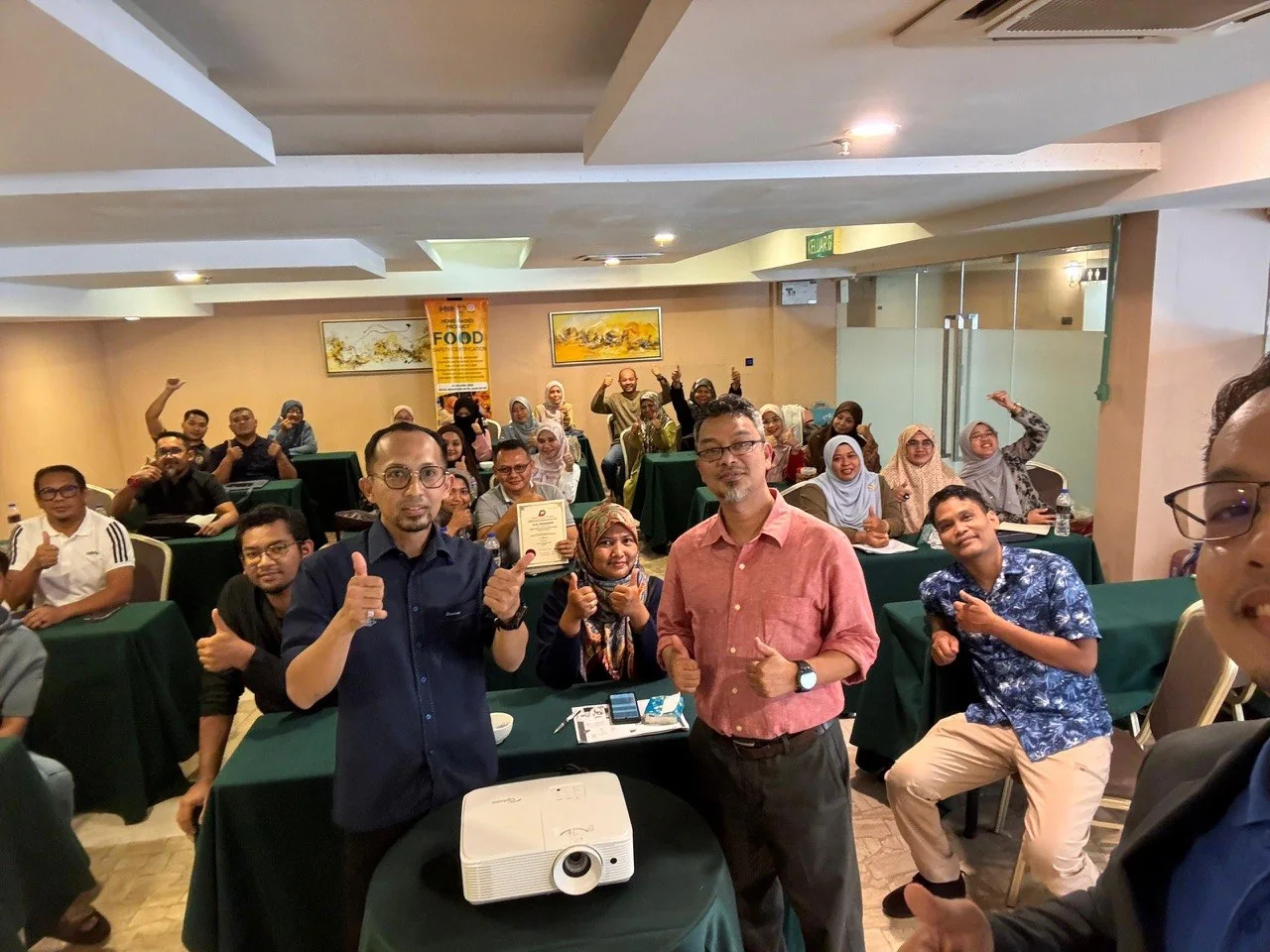
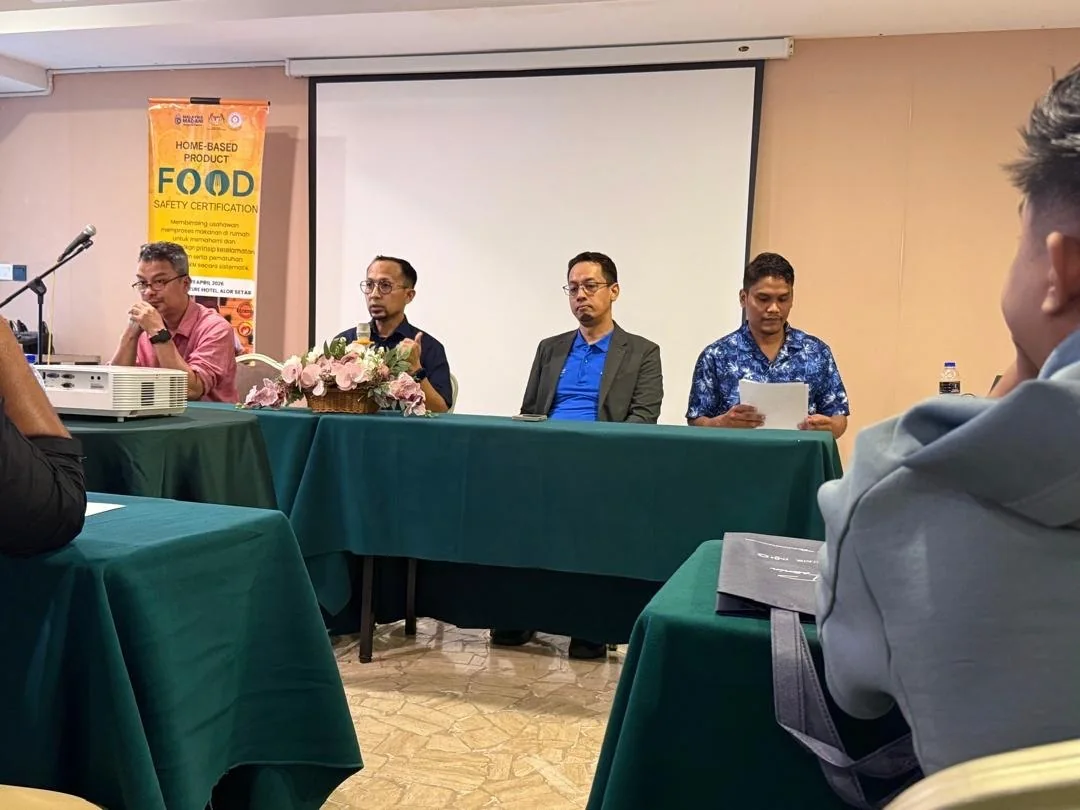
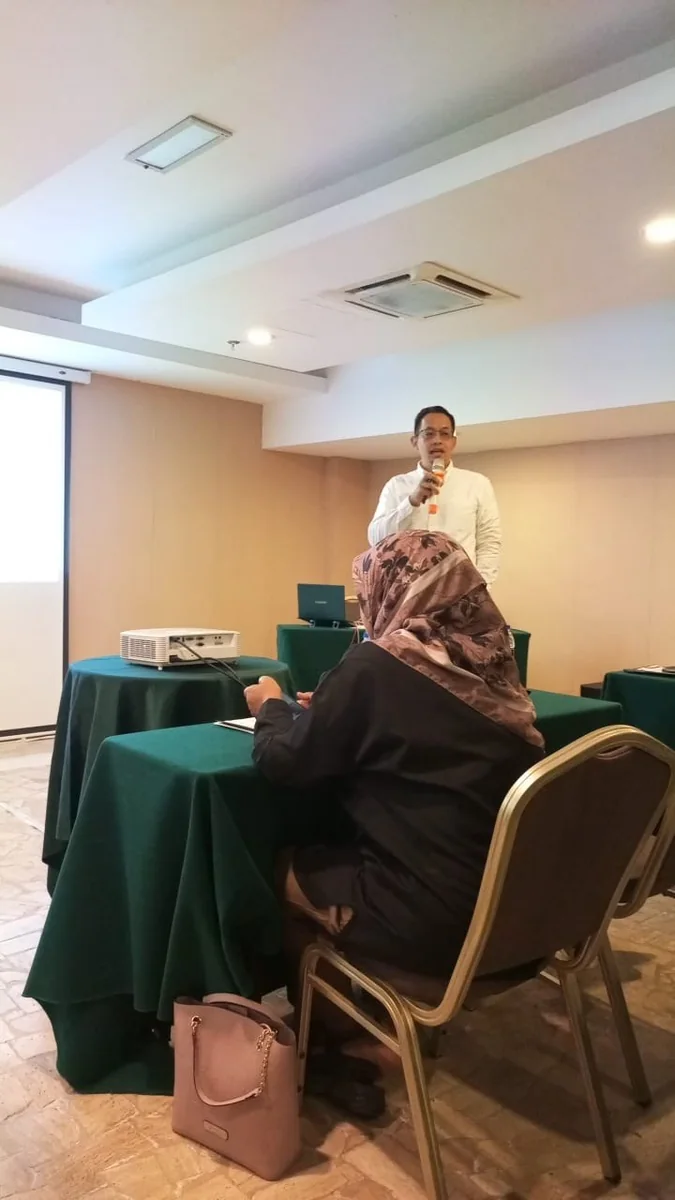
From 27–29 April 2026, we supported 30 microentrepreneurs from northern Malaysia through a three-day Home-Based Food training programme organised by MARA Kedah in Alor Setar, Kedah.
A three-day MARA Kedah programme in Alor Setar
MARA Kedah organised the programme for this northern Malaysian cohort, with Al Barakah Training Solution supporting participants’ Home-Based Food application preparation. BKKM Kedah provided technical advice on FoSIM registration.
The three-day format provided time for work on registration and application forms, rather than stopping at an introduction to the scheme.
From FoSIM registration to application-ready forms
The scheme is officially called Penyenaraian Pengusaha Makanan Sediaan di Rumah (Home-Based Food), referred to here as the MOH Home-Based Food listing. It concerns eligible operators preparing food at home for sale.[4][5] MOH introduced the listing to encourage hygiene, safe food preparation and compliance with current food legislation.[1] For us, those aims put a food-safety culture—not just paperwork—at the heart of application preparation.
For the MARA Kedah group, an important practical step was premises registration through FoSIM. Participants registered their premises and obtained the registration slips. They also completed the Home-Based Food application forms ready for submission.
A FoSIM premises-registration slip is not a Home-Based Food listing certificate: our programme achieved registration and application readiness, while the listing decision belongs to the health authority.[4][18]
What home-based food operators can prepare next
For operators applying now, use MOH’s October 2026 guidance and current forms to prepare the application file.[4][5][6]
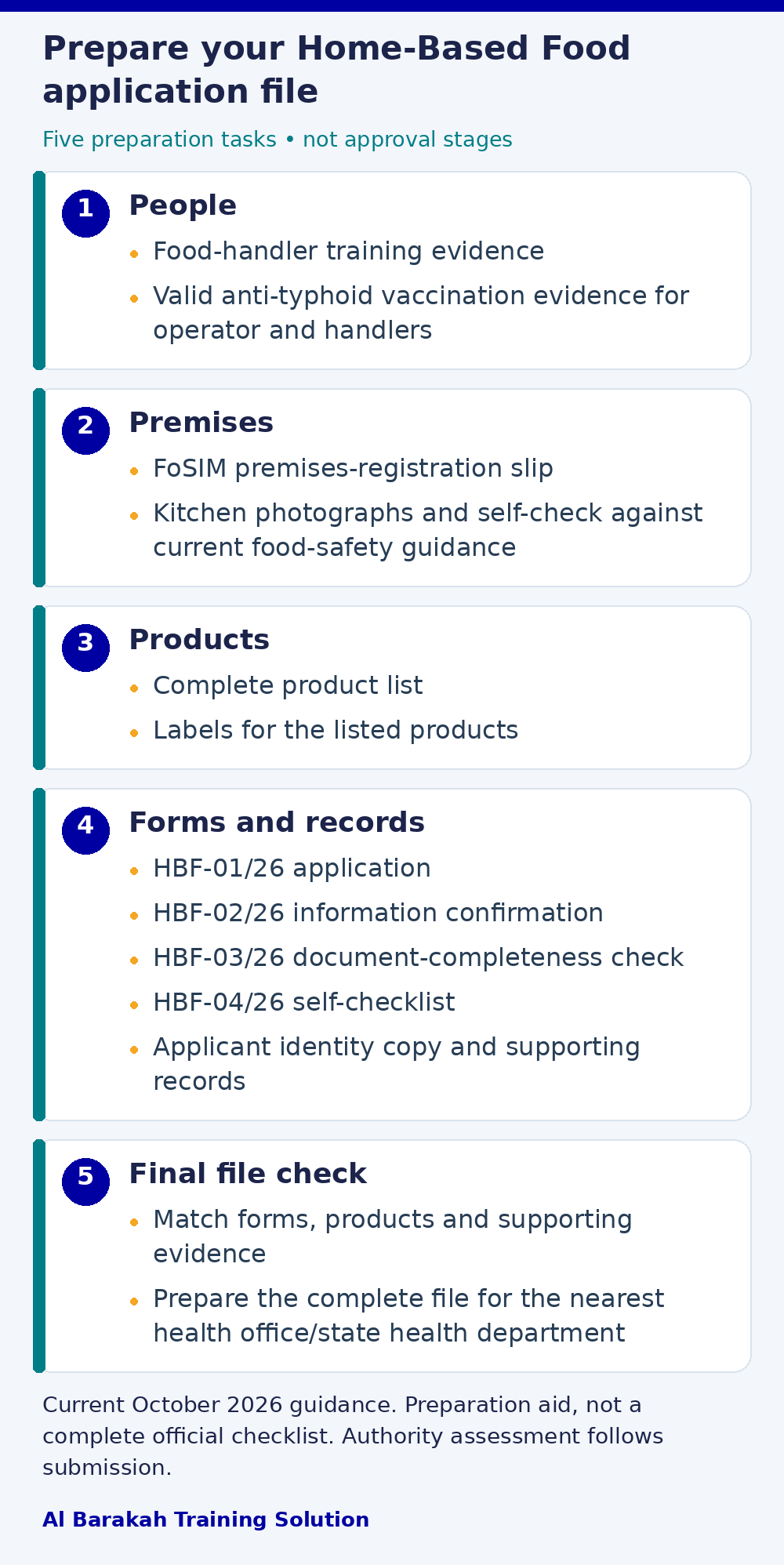
We recommend organising the file around five tasks. This is a non-exhaustive preparation aid, not a replacement for the official guidance:
- People: gather food-handler training certificates from an MOH-recognised training school and valid anti-typhoid vaccination evidence for the operator and all food handlers.[5]
- Premises: retain the FoSIM registration slip, prepare kitchen photographs and use the official self-checklist to review a properly maintained kitchen and its food-handling practices.[5][6]
- Products: prepare a complete product list and labels for the listed products.[5]
- Forms and records: use HBF-01/26 for the listing application, HBF-02/26 to confirm listing-certificate information and the product list, HBF-03/26 to check document completeness, and HBF-04/26 for the operator’s self-check. Include the applicant’s identity-card copy and supporting records.[5][6]
- Final file check: match the forms with the supporting evidence, then submit the complete application to the nearest district, divisional or area health office, or state health department, as the current guide directs.[4]
Explore the Home-Based Food starter resource for a starting point. This provider-curated resource, listed by Abdul Fazmin on Malaysia HalalPreneur, lists guidance PDFs, application forms, checklists and video links. It is advertised as free; access requires a STARTER membership sign-up.
For the separate basic training requirement: View public Food Handler Course dates and register. The Food Handler Course certificate does not grant Home-Based Food listing or recognition.[4] For related reading, see our food-handler certificate guide.
Why this preparation matters for food-supply opportunities
For operators considering government food-supply opportunities, preparation matters—but the rules depend on the buyer. A time-limited Phase 2.0 procurement pilot began on 1 February 2026 and is scheduled to end in January 2027. It covers specified purchasing units and receiving areas, plus listed institutions nationwide—not all government tenders. The appropriate Trust MyCatering (TMC), BeSS or Home-Based Food route depends on business type. Check the official coverage tables and the buyer’s procurement terms.[7][18]
Sources
[1] MOH Home-Based Food application guidance and downloads
[4] MOH Home-Based Food application guide — Revision 2, October 2026
[5] MOH forms HBF-01/26, HBF-02/26 and HBF-03/26
[6] MOH self-checklist HBF-04/26
[7] Treasury Phase 2.0 food procurement pilot guidelines — MOF.BPK(S)600-1/5/19 JLD.4(3)